The birth partner's guide: what to actually do in the room
Most partners want to help and have no idea what that looks like beyond holding a hand. The good news is that the useful jobs are simple, physical and easy to learn — and a calm partner changes how a birth feels more than almost anything else in the room.
Before the day
- Read the one-page birth preferences and know the top three things that matter most.
- Practise counter-pressure on the sacrum and a slow breathing pattern together, twice a week.
- Pack your own bag: snacks, water, phone charger, a hoodie, and coins or a card for parking.
- Save the hospital and consultant numbers, and know the route and entrance for after hours.
Early labour: keep it boring
Your job is to protect rest and normality. Put on something light to watch, keep food and drink coming, time a few contractions to see the pattern, and resist the urge to rush to the hospital at the first twinge.
Active labour: hands, voice, environment
- Breathe out loud with her so she has a rhythm to follow — don't instruct, just breathe.
- Firm counter-pressure on the lower back or hips through each contraction; ask "more or less?" not "is that okay?"
- Suggest a position change every 20–30 minutes, and get in the shower with the shower head if needed.
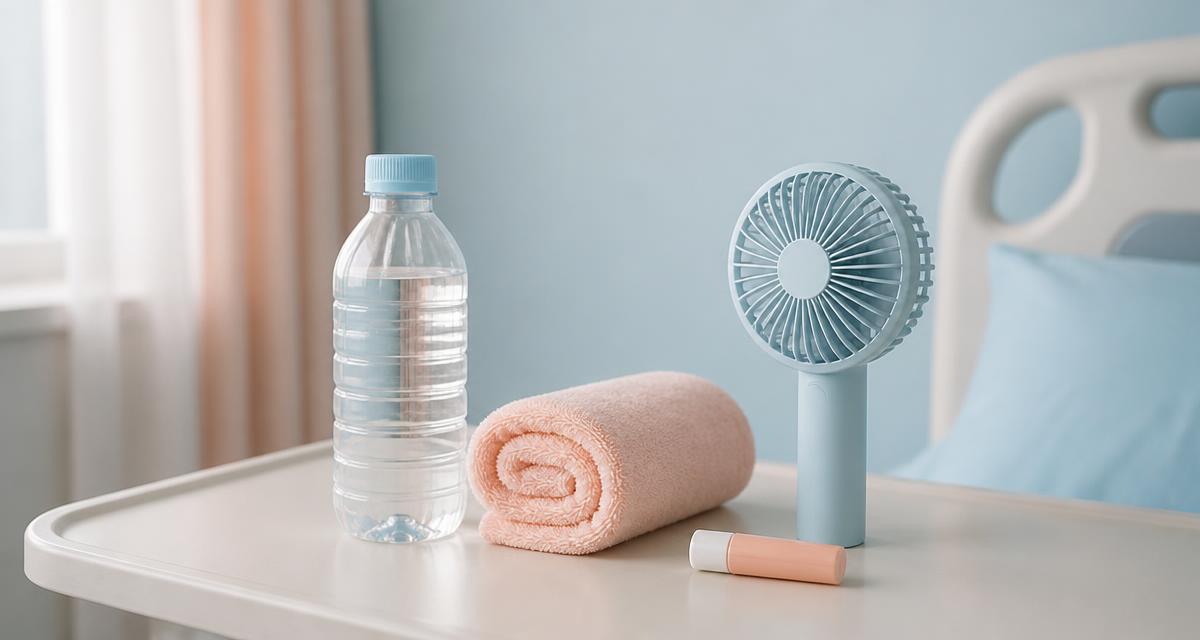
- Sips of water and a snack after most contractions; a cool cloth on the neck.
- Dim the lights, close the door, keep voices low, and keep phones away from her face.
- Say what's true and short: "that one's done", "you're doing it", "I'm right here".
Transition and pushing
As labour intensifies, she may say she cannot continue. Stay close, keep your voice low, acknowledge what she is feeling, and ask what she needs. Do not assume it means birth is close or dismiss a request to change the pain-relief plan; help her communicate with the care team.
Advocating without taking over
You are not there to make decisions for her. You are there to buy her time and quiet. Useful phrases: "Can you give us a few minutes to talk about it?", "What are the risks and alternatives?", "Is this an emergency, or do we have time?" Then repeat the information back to her simply so she can choose.
After the birth
Protect the first hour: skin-to-skin, low light, no visitors, no phone calls until she says so. Then take photos she'd want, bring food, and start being the person who hands the baby over for feeds and takes the baby back afterwards.
Share this article
Tap “Save image” first so the picture is in your photo gallery. Then tap “Share on Instagram” — the caption is copied automatically and Instagram opens. Add the saved picture to your story, paste the caption, and use a link sticker for the article link.
Want to talk this through?
A free 30-minute discovery call is the easiest place to start.